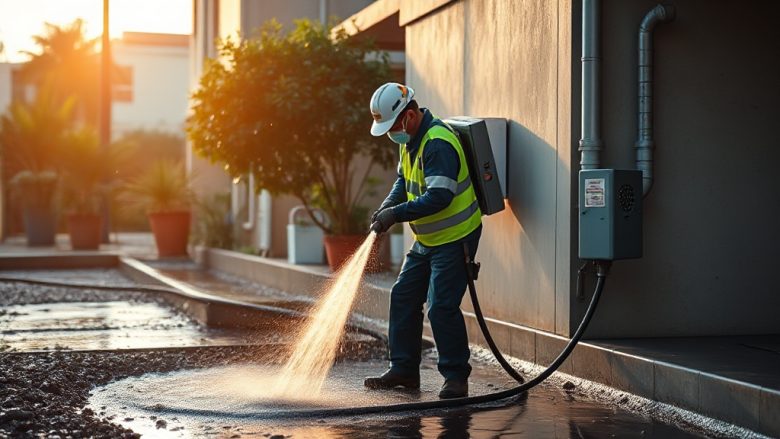
After the Sewage Recedes: Safe Cleanup in São José dos Pinhais Homes
That sour, rotten-egg smell curling through the hallway is not just unpleasant — it is a warning. It means sewage has backed up into your home, and even after the visible water drains away, the real danger lingers on floors, toys, pet bowls and baseboards. For parents in São José dos Pinhais, the priority after a blockage clears is not just a dry floor but a hygienic one. A professional desentupidora Colombo PR team can clear the line, but the cleanup that follows is what protects your children and pets from bacteria, viruses and parasites left behind.
Why Standing Sewage Water Is a Genuine Health Risk
Sewage is not simply dirty water. It carries human waste, food residue, paper, soap and whatever else travels through a household drain — and with that comes a cocktail of microorganisms. Raw sewage can contain E. coli, Salmonella, hepatitis A virus and parasitic worms, all of which survive on damp surfaces long after the puddle is gone.
Children are especially vulnerable because they crawl, sit and play on floors, then put their hands in their mouths. Pets investigate puddles, lick their paws and carry contamination to bedding and food bowls. Even a thin film of residue on a tile grout line can stay infectious for hours or days depending on the surface and humidity.
The smell itself is a signal of active bacterial decomposition. If the odor persists after mopping, it usually means contaminated material has soaked into porous surfaces — grout, silicone seals, wooden skirting boards or the underside of furniture. That is when a surface wipe is not enough.
The Safe Cleanup Sequence After the Blockage Clears
Once a desentupidora Colombo technician has confirmed the line is flowing freely, the cleanup becomes a step-by-step hygiene job. Rushing it — or skipping protective gear — is the most common mistake families make.
Step 1: Protect Yourself and Isolate the Area
Put on rubber gloves, a mask and boots that can be disinfected or discarded. Keep children and pets out of the affected rooms until the entire sequence is finished. Open windows and run fans to move air, but do not use a dry broom or vacuum on wet sewage — that can aerosolize bacteria.
Step 2: Remove Solids and Standing Water
Use paper towels or disposable rags to pick up solid waste and place it directly into a double-bagged trash bag. For standing water, a wet/dry vacuum reserved only for this purpose is ideal. If you do not have one, absorb the water with disposable cloths rather than pushing it toward other rooms.
Step 3: Wash, Then Disinfect
Wash hard surfaces with hot water and detergent first — disinfectants work poorly on top of organic matter. After washing, apply a disinfectant solution and let it sit for the contact time stated on the label. Never mix bleach with ammonia or vinegar, because the resulting fumes are toxic. Pay extra attention to grout lines, the base of toilets, door thresholds and the feet of furniture.
Step 4: Handle Soft Items Separately
Textiles that touched sewage need a hot wash with detergent and a disinfectant safe for fabric, then thorough drying in sunlight or a dryer. Items that cannot be washed — stuffed toys, cardboard, untreated wood — usually belong in the discard pile.
What to Throw Away After Sewage Exposure
This is the part parents find hardest, because some items feel too valuable to bin. The rule of thumb is simple: if it is porous and cannot be washed and disinfected thoroughly, it should go. Porous materials absorb contamination and cannot be reliably cleaned at home.
- Cardboard boxes, paper bags and packaging that touched the water
- Stuffed toys, fabric play mats and plush pet beds
- Untreated wood, particleboard and items with visible swelling
- Food that was not in sealed, waterproof containers
- Pet food and water bowls that are cracked or scratched
- Mops, sponges and brushes used during the cleanup
Hard plastic toys, ceramic tiles, metal fixtures and glass can usually be kept after washing and disinfecting. When in doubt, discard — replacing a toy is cheaper than treating a household infection.
Preventing the Next Backup and Knowing When to Call a Pro
Recurring backups often point to a deeper issue: roots in the lateral line, grease buildup, collapsed pipe sections or a full septic tank. If your home has flooded more than once in the same spot, a camera inspection of the drain line is worth the cost. A professional desentupidora em Colombo PR can confirm whether the blockage is local or part of a larger network problem.
Preventive habits make a real difference: never pour cooking oil down the sink, use drain strainers in showers and sinks, and avoid flushing wipes even when the package says flushable. Schedule a septic tank inspection according to household size, and keep children’s toys and pet bowls off basement or garage floors that sit below street level.
Call a professional immediately if sewage backs up repeatedly, if water rises from multiple drains at once, or if the smell persists after a full cleanup. Those signs suggest the problem is in the main line, not just a single fixture.
Frequently Asked Questions
How long does sewage contamination stay dangerous on a floor?
Bacteria and viruses can survive on damp surfaces for hours to several days. Clean and disinfect within the first few hours after the water recedes, and keep children and pets off the floor until the surface is fully dry.
Can I clean sewage myself, or should I hire a professional?
Small, contained spills on hard surfaces can be cleaned with proper gloves, detergent and disinfectant. Larger floods, sewage that soaked into carpets or walls, or any backup involving the main line should be handled by a professional remediation team.
Do I need to replace my child’s toys after a sewage backup?
Hard plastic and metal toys can usually be washed and disinfected. Stuffed toys, wooden toys and anything porous should be discarded, because contamination can remain trapped inside the material.
What should I do if the smell returns after cleaning?
A returning smell usually means contaminated material was missed — often in grout, silicone seals or the underside of furniture. Re-clean those areas and check whether the drain line is fully clear, since a partial blockage can keep releasing odors.